I see the value of having a community—your circle of support gets bigger. The more people we connect, the stronger and more supportive our community becomes.
— Jenna Vipond and Dee McIntye, Momentum Center
“The Momentum Center’s mission is to create a community where everyone is fully visible and connected. One of our key initiatives is a social and recreational program for people with mental illness, disabilities, or addiction. For just $1, members can access a full schedule of activities—like bingo, watercolor painting, and community outings. We have a wheelchair-accessible bus and take trips weekly that stay within 30 minutes. Each month, Grand Haven members travel to places like Grand Rapids or Holland. This Friday, they’re headed to a summer festival in Rockford; last week, it was Tanger Outlet. These experiences often aren’t accessible due to financial or transportation barriers.
While outings happen weekly, we have daily activities Monday through Friday, like our art classes. The café here encourages community integration. Members hang out for activities, but the broader community is welcome too. We intentionally create a space of inclusion.”
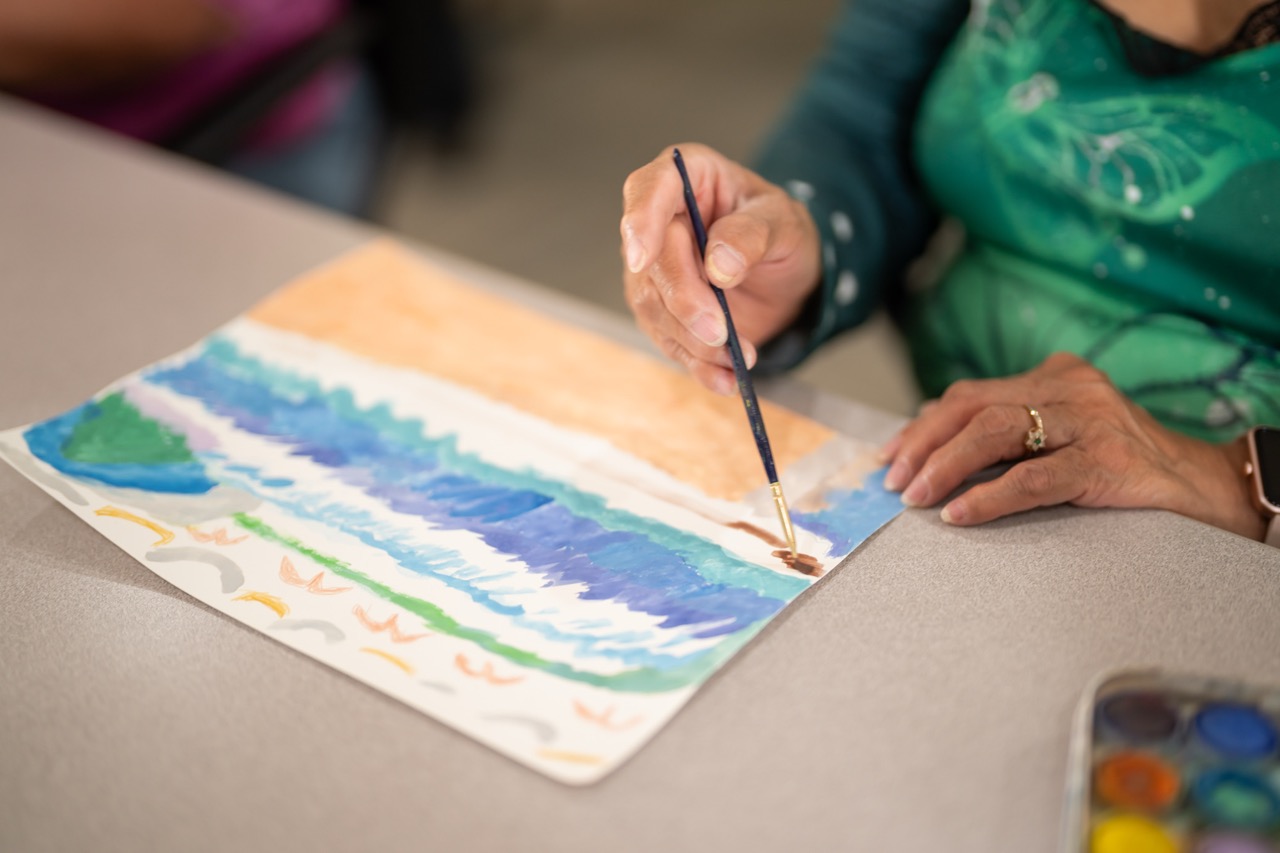
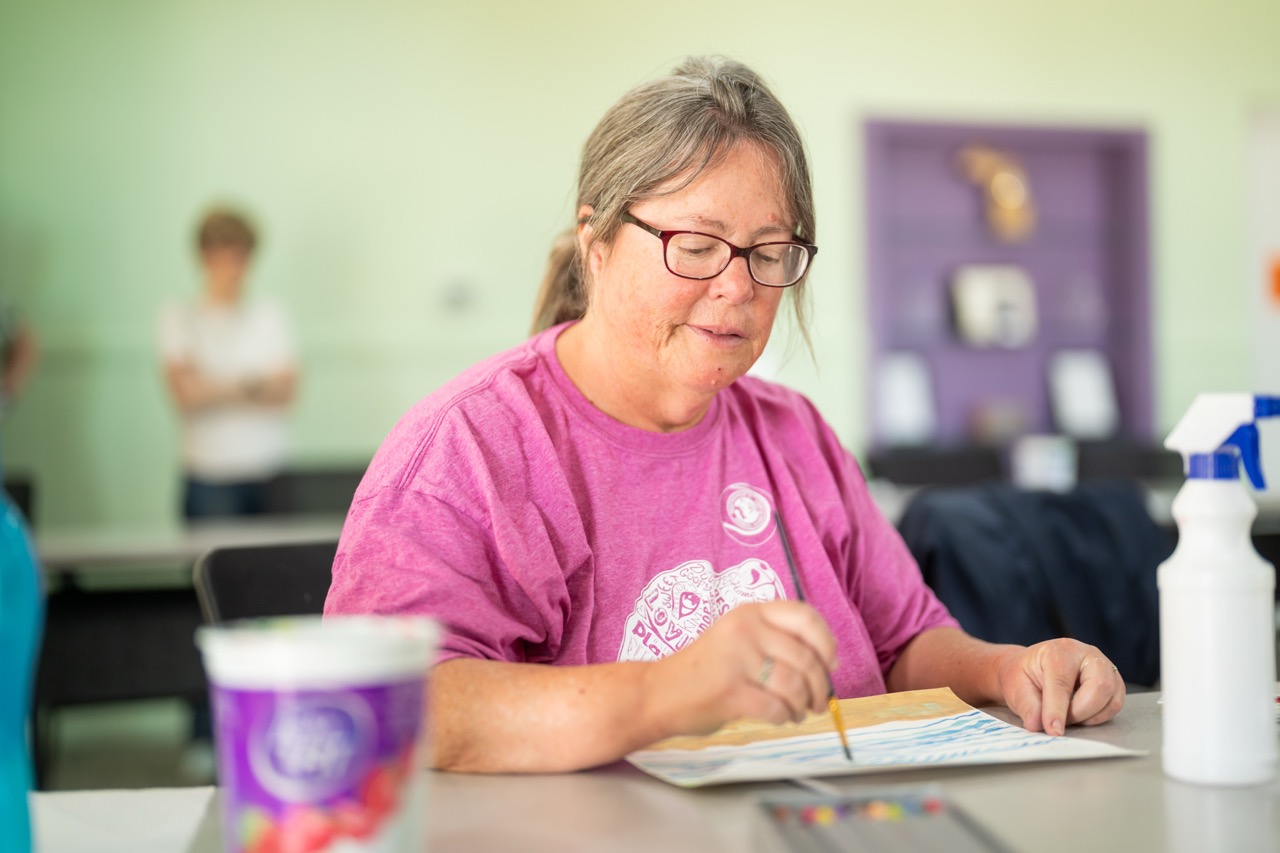
“According to Ottawa County’s Community Health Needs Assessment, mental health—especially depression—is a leading concern. It’s worsened since COVID. Here, people find a safe space free from stigma, no matter their diagnosis.
We’re all about connection. I moved here eight years ago and didn’t know anyone until I started working at the Center. Now I see the value of having a community—your circle of support gets bigger. Our volunteers step up when there’s a need. The more people we connect, the stronger and more supportive our community becomes.
I remember one member who used to keep his head down, always on his phone. Now, he has friends and a job. Those relationships helped him grow and give back.
A big part of what we offer is simply being present. We spend much of my day listening—just giving people space to talk without being dismissed. That human connection means everything. People want to know someone has their back. For those with disabilities, stigma often silences them. Here, they’re heard and supported.
Helping people and seeing the change in their lives—that’s what makes this work so meaningful.”