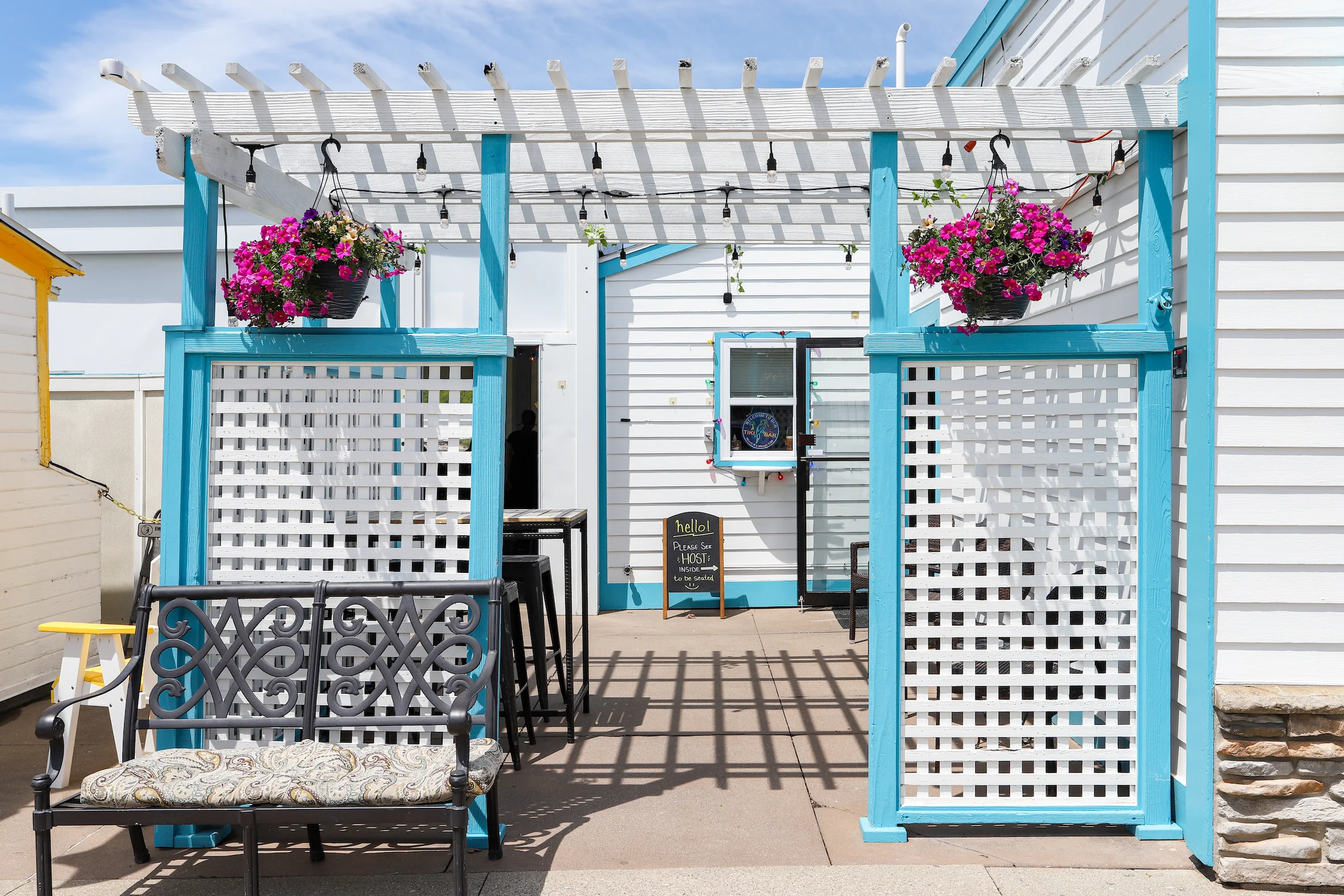
We constantly get visitors who say, “I used to work here,” or “I remember shopping here with my mom.” So we maintain it not just as a functional space, but as a historical artifact.
— Erica Layton, Tri-Cities Historical Museum
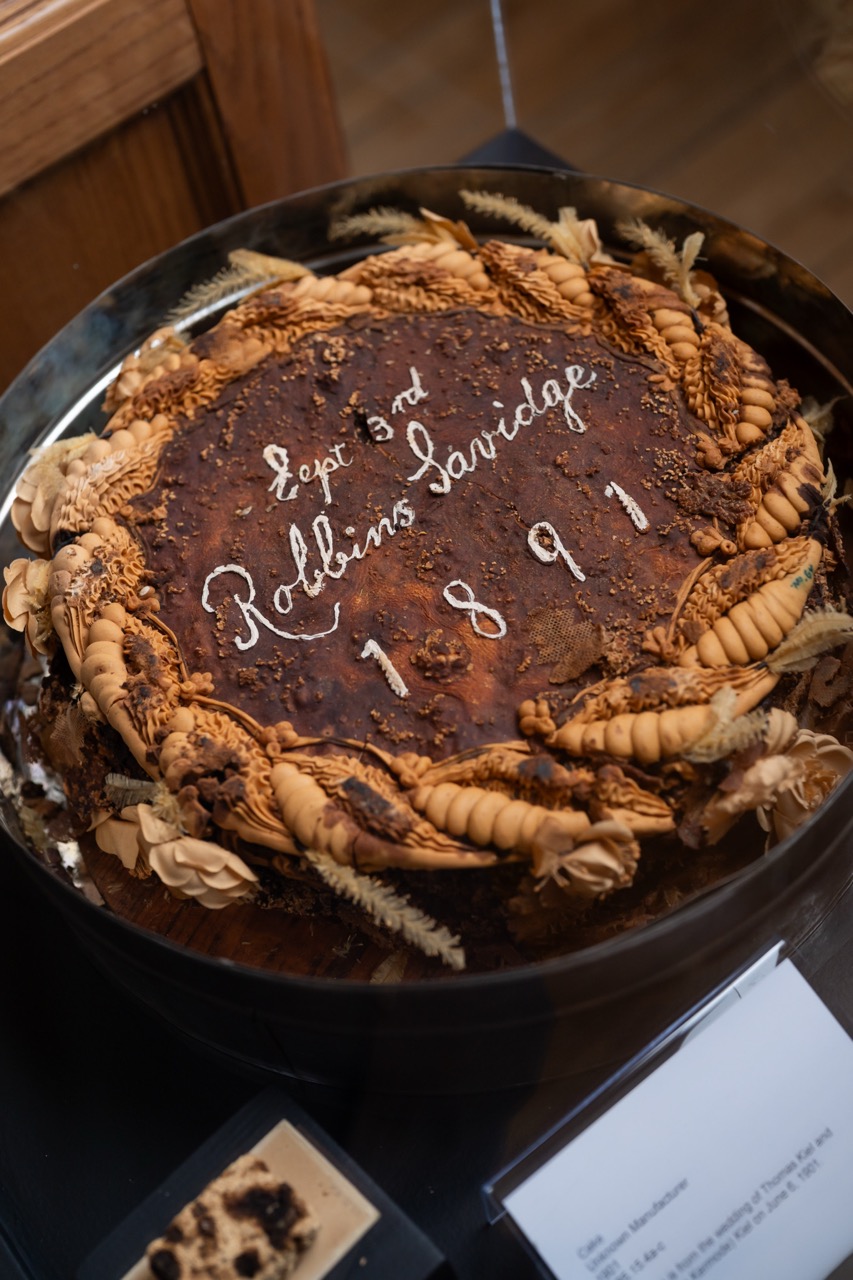
“The Tri-Cities Historical Museum is a local history museum with two sites. Our downtown location is the public-facing space, and then we also have a Community Archive and Research Center just south of town. We started as a volunteer-run historical society in 1959 and have since grown into a professional 501(c)(3) nonprofit with nearly 14 employees and a collection of over 73,000 items of local history.
Most of the collection has come from community donations. We’re funded through the generous support of local taxpayers via a millage that’s renewed every six years by Spring Lake, Ferrysburg, Grand Haven, and the township. In addition to that, we receive individual donations, memberships, and corporate sponsorships.
We never want cost to be a barrier to accessing the community’s own history. Since residents are already supporting us through taxes, we don’t charge admission. That decision has led to a lot of repeat visitors. People treat the museum like a library or a coffee shop—a third space. Kids come on school trips and bring their parents or grandparents back. And they return again and again. We love seeing that.”
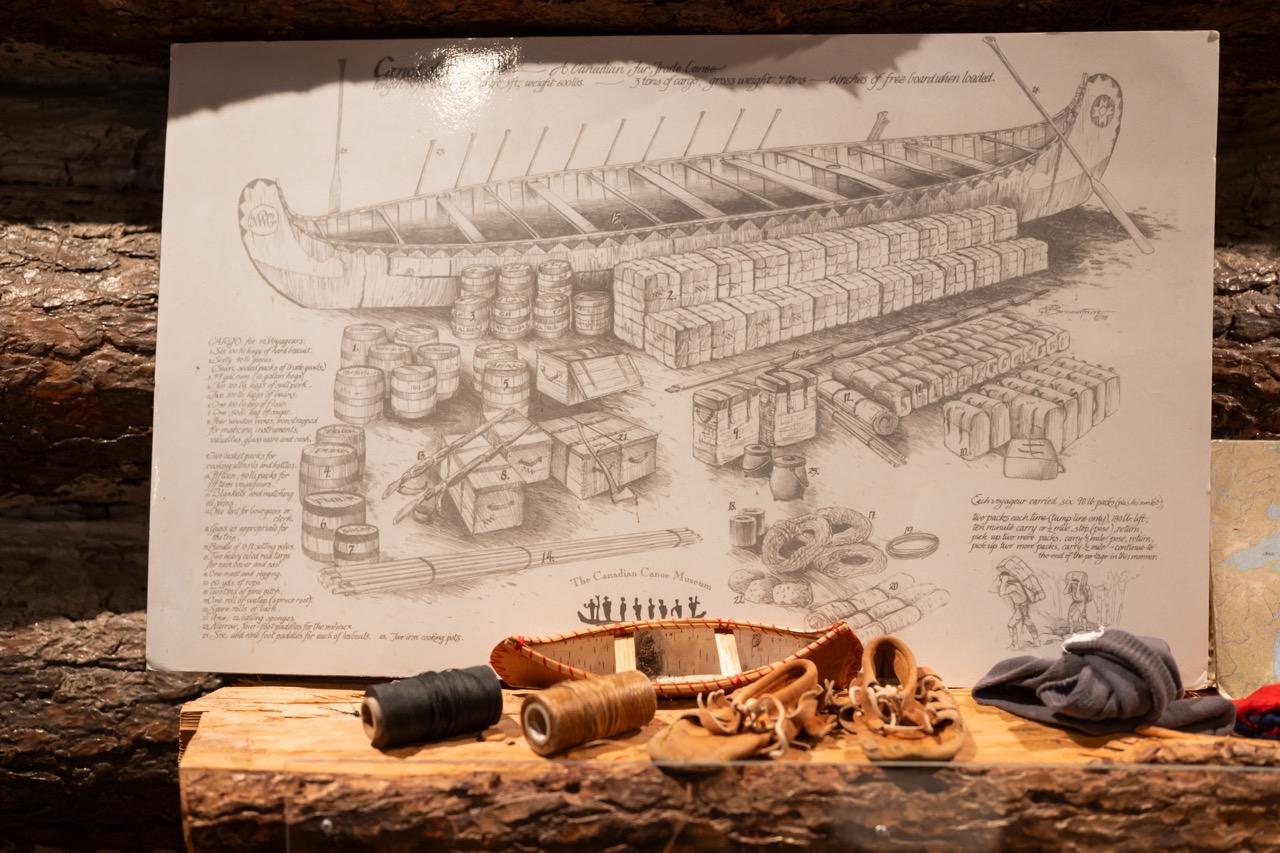
“We also provide free education programs. Every second-grade class in the Tri-Cities area either comes to us or gets a visit from one of our educators. We meet the curriculum standards for local history, and we don’t charge a dime.
Being free and open allows people to use the museum however they need. When families are walking up and down Washington, and the kids have hit their limit on shopping, the museum becomes a place to pause, play, and reset. And while they’re playing, yes—we’re sneaking in some history. Sense of place. Stories about how technology has changed. What makes this area unique.
That’s what I love about history—the human stories, the connections. People from the past are just like us, only different. When I was young, I was fascinated by that. And as I got older and realized people actually do this for a living—preserve and share history—I was all in.
Most people think of museums as little schoolhouses or fire stations. And that’s not wrong. Every town has some kind of archive or history center. At one point, the American Alliance of Museums reported there were more museums in the U.S. than McDonald’s. Not sure if that still holds true, but it tells you something. Every community believes its story is worth telling. History isn’t old and dusty. It’s alive. It’s still playing out in how people remember and react.”
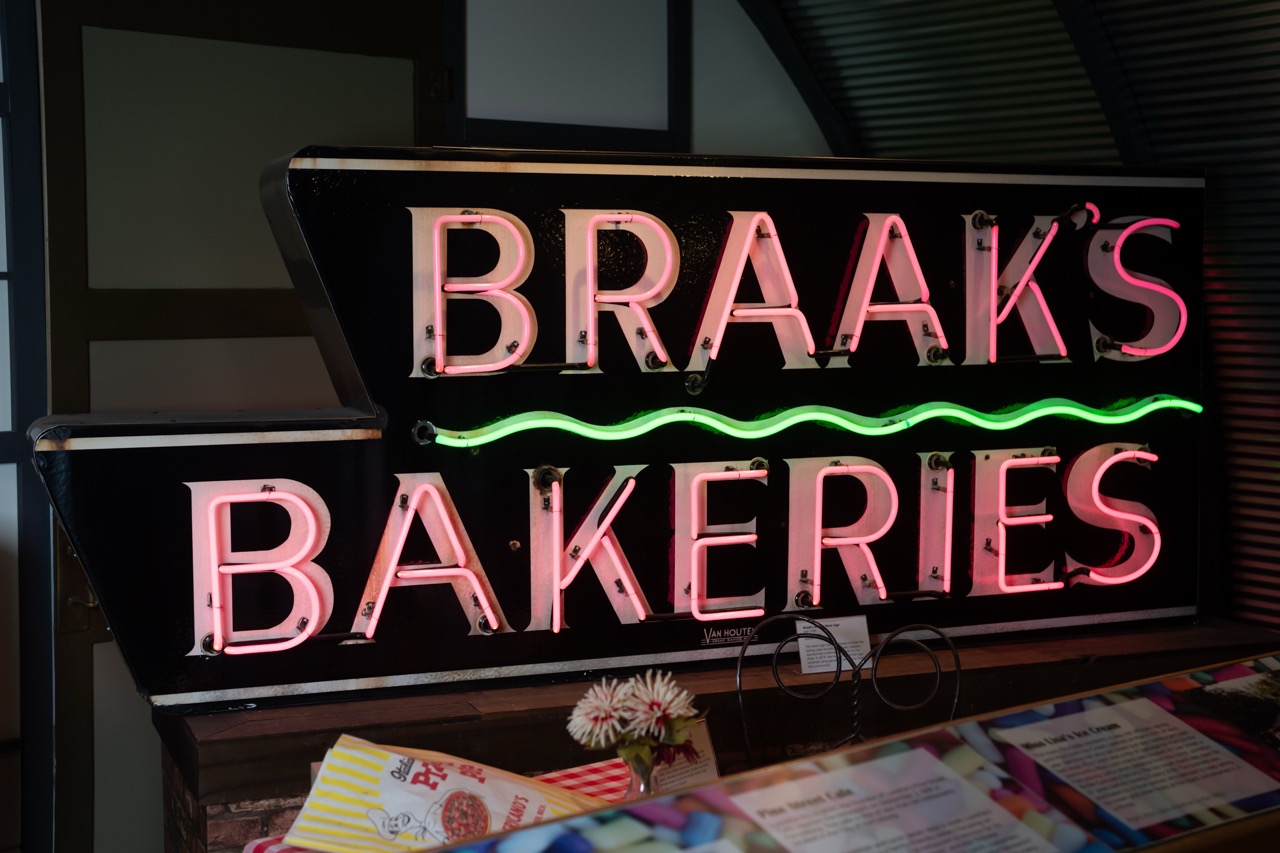
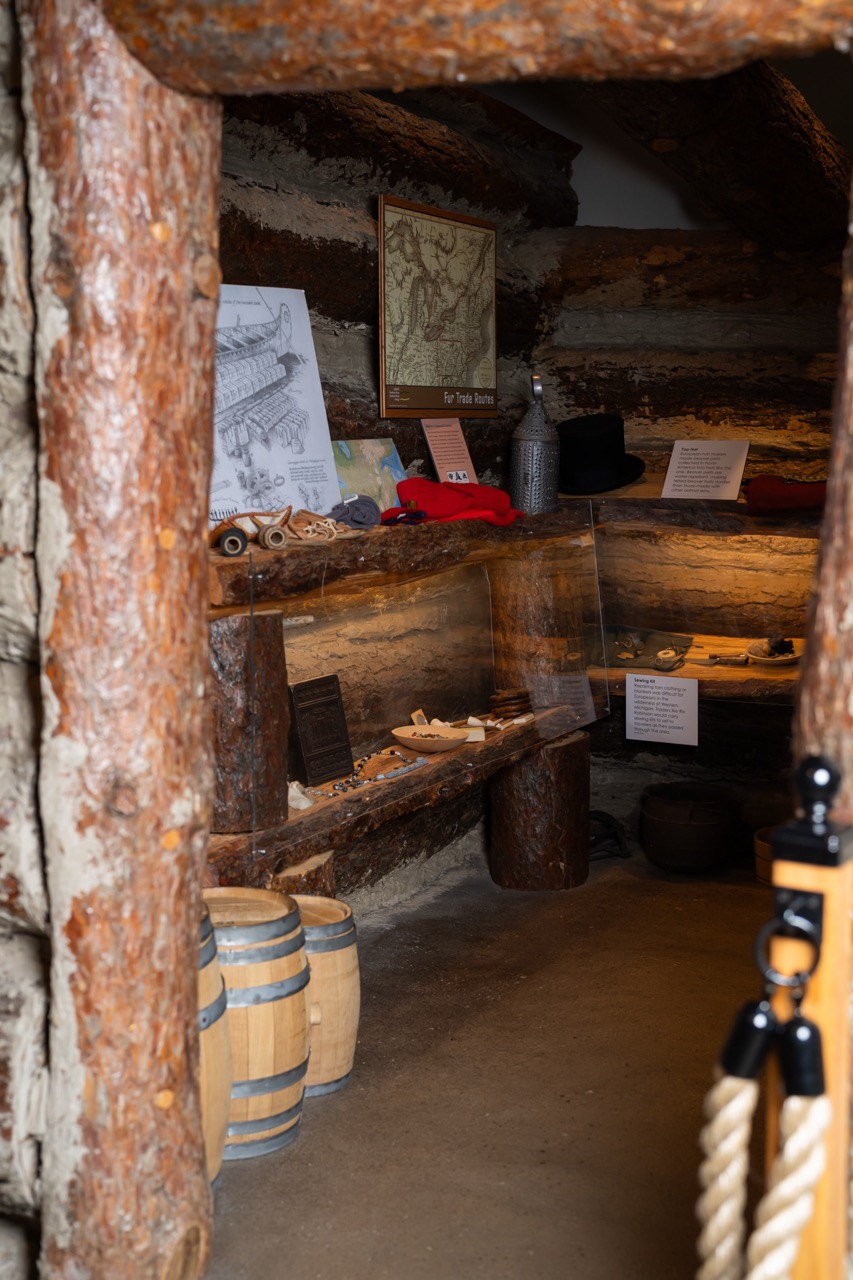
“You know, we always talk about the big, polished museums—the Smithsonian-level ones—but the bulk of what’s been saved across America is held in these small, community-run places. The courthouse records, the personal objects, the photographs—they’re in little towns, preserved by people who care. That’s where the real treasure is.
Our building itself is one of those treasures. Built in 1871, it’s the largest object in our collection. Before it housed the museum, it was a department store—Addison-Bolt and later others. We constantly get visitors who say, “I used to work here,” or “I remember shopping here with my mom.” So we maintain it not just as a functional space, but as a historical artifact.
We’re also always changing things up. The first floor is our permanent exhibit space, but the other galleries—like Centennial Hall—rotate. We try to update those exhibits at least twice a year. That’s when we dig into specific themes. Recently, we did one on the SPARS, the women’s division of the Coast Guard during World War II. It coincided with the Coast Guard Festival’s 100th anniversary. So we asked: how do we use our collection to help people connect with what they’re already experiencing out in the community?
That’s really what historical museums are all about—connection, context, and community.”